How to summarize and paraphrase effectively
· learning · writing
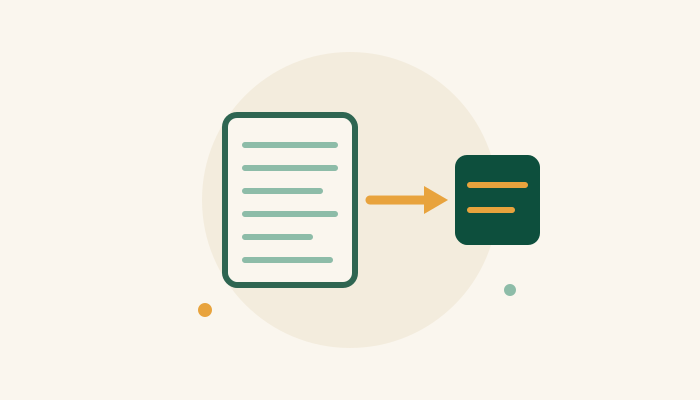
Summarizing condenses to main points; paraphrasing restates in your own words. The difference, the benefits for students, and steps for doing each well.
Practical, evidence-based guidance for parents on dyslexia, reading science, and supporting children with learning difficulties.
· learning · writing
Summarizing condenses to main points; paraphrasing restates in your own words. The difference, the benefits for students, and steps for doing each well.
· school · learning
Five practical ways teachers can support neurodiverse students: psychological safety, strengths mapping, varied methods, smaller steps, high expectations.
· storytime · activities
Seven ways to make reading aloud exciting: the right book, new locations, life connections, dress-up, reader's theatre, big voices and follow-on projects.
· reading · activities
A parent's resource kit for early literacy: books and reading rituals, talk and song ideas, first writing activities, pretend play, and the best free apps.
· reading · parenting
Age-by-age signs that a child's pre-reading skills need attention, from late talking at three to trouble blending sounds at five, and when to seek help.
· reading · activities
Repeated reading builds decoding automaticity and comprehension in struggling readers. The research behind it, plus a 5-step routine to use at home.
· parenting
Positive parenting builds on strengths, empathy and firm, kind boundaries. What the research shows, how to practise it daily, and the toxic-positivity trap.
· parenting
Ten minutes of focused attention a day builds a child's trust, mental health and even grades. Why connection matters and nine simple ways to make it daily.
· writing · activities
Pressing too hard tires the hand; too light and the page is unreadable. How grips develop by age, and playful fixes for heavy and light pencil pressure.
· writing · activities
Pre-writing skills are the strokes and strength a child masters before letters. The age-by-age sequence, readiness signs, and hands-on activities to build them.
· dyslexia · school
Four out of five dyslexic children leave school unidentified. Why teachers matter so much for dyslexic learners, and what understanding dyslexia changes.
· activities · learning
Tongue twisters sharpen pronunciation, strengthen speech muscles and demand real focus. Why they work, how to practise them, and ten favourites to try.
· learning · parenting
Focused, sustained, selective, divided and alternating: the five types of attention, what each looks like in a child, and why the distinction guides help.
· activities · learning
Seeing and attending are different skills. What visual attention is, the warning signs of processing trouble, and five home games that train the noticing eye.
· reading · activities
Stories teach social skills better than lectures. Ten picture books covering acceptance, kindness, courage and sharing, and why these skills matter early.